Report on the 2030 carbon footprint targets and renewable energy
By the Savendovio editorial team · 7 minute read
Global warming
The world is changing faster than earlier generations thought possible. Resources are running thin, sea levels are rising and extreme weather is becoming more common across our low-lying regions. For the Netherlands, where roughly a quarter of the land sits below sea level, this is not an abstract debate. The protection of dikes, the careful management of polders and the care for clean air are part of everyday public administration. Through the development of reliable measurement data and independent research, society receives a clearer picture of the challenges and of the possibilities for the future.
The role of the Netherlands in green energy
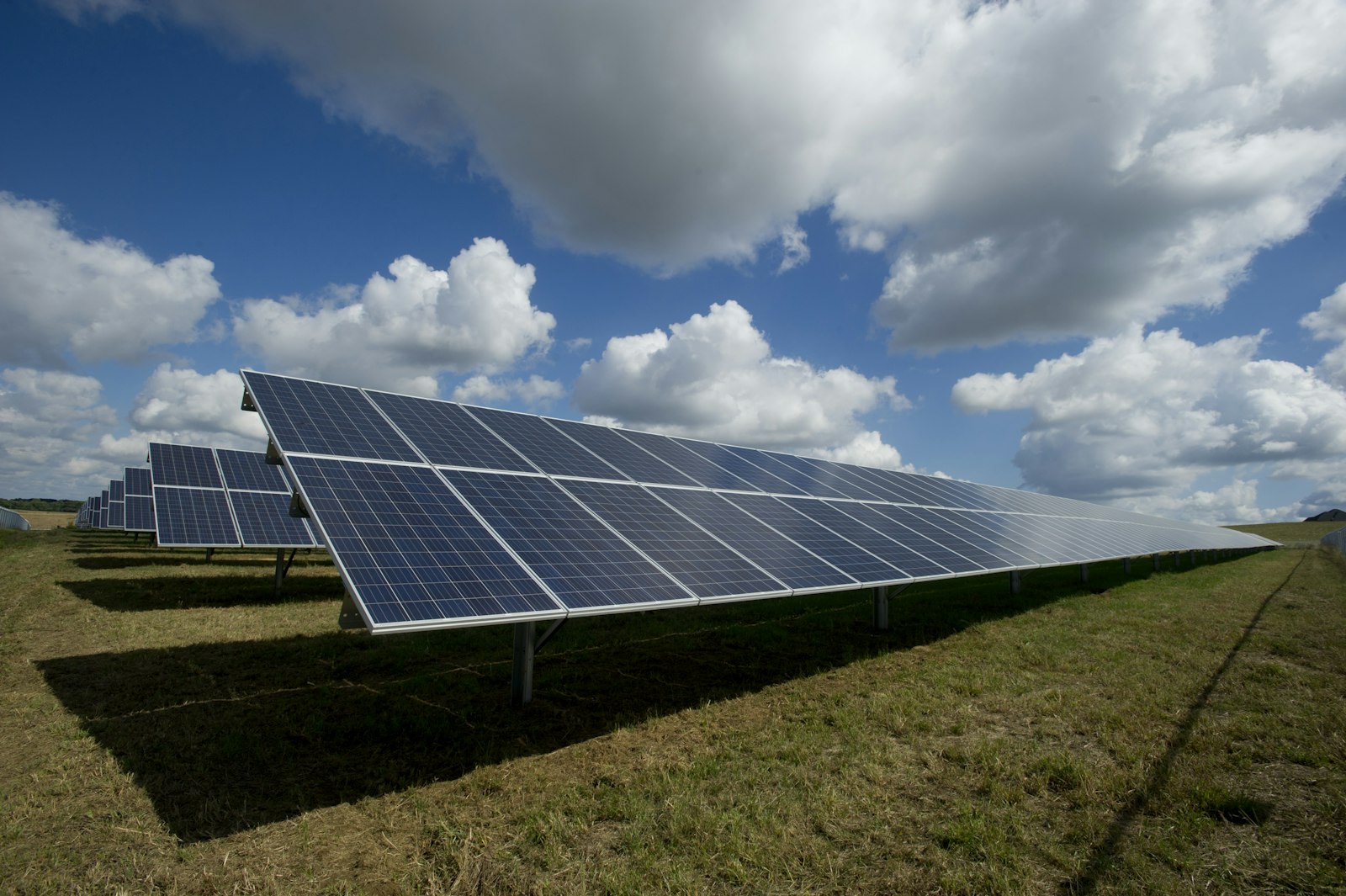
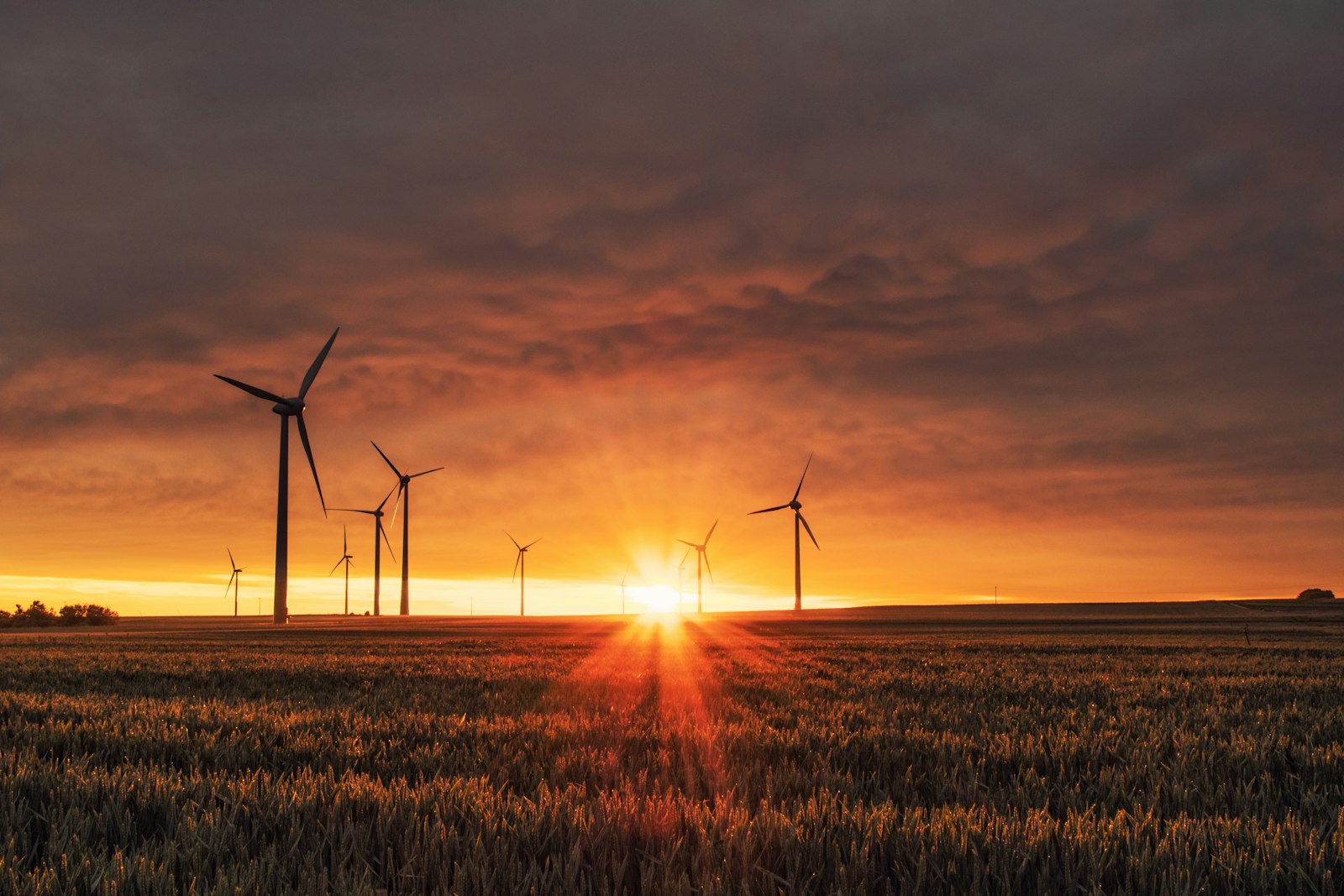
Dutch energy companies and public institutions are cooperating on a gradual transition to renewable sources. In the North Sea, wind farms deliver large volumes of clean electricity. Across South Holland and North Brabant, solar fields are appearing along railway lines and on the roofs of industrial buildings. The aim is clear: less dependency on fossil fuels, a lower carbon footprint and more room for nature. Our editors follow this development closely and share the facts without commercial interests. The protection of the living environment remains the guiding principle.
The future of agriculture
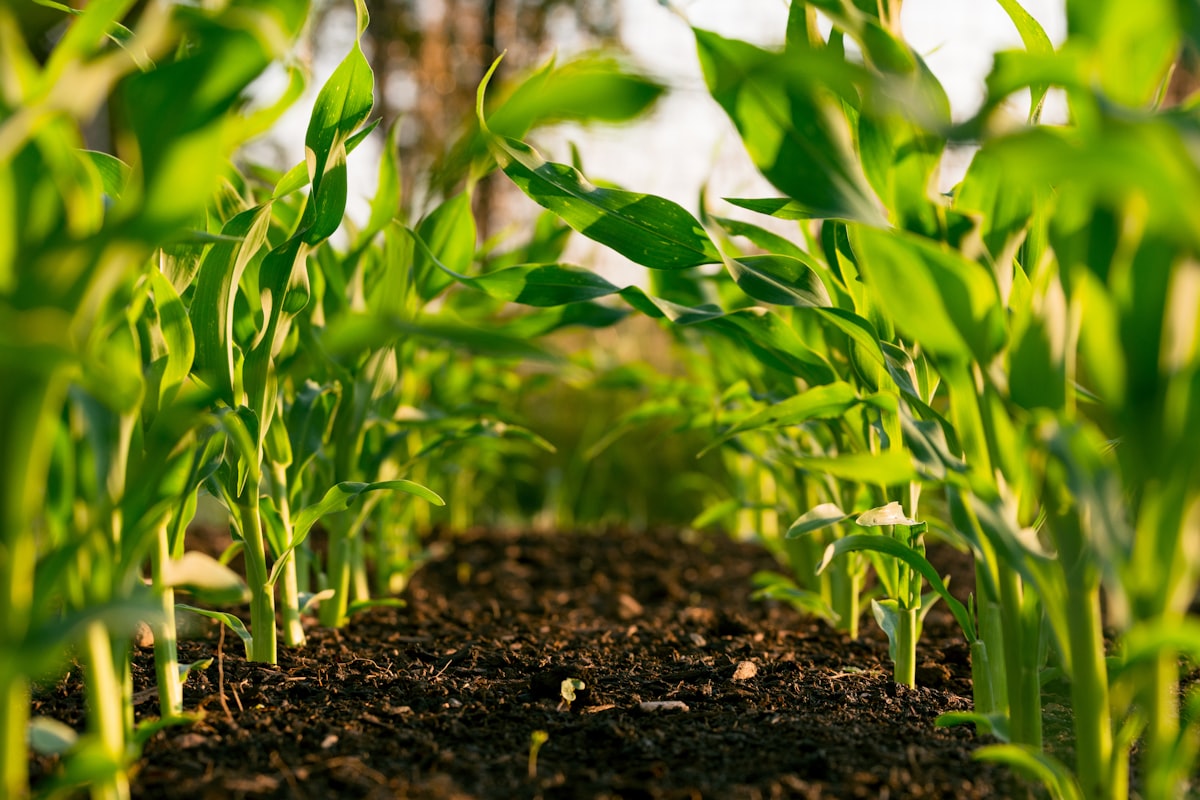
Dutch agriculture is entering a new phase that researchers have begun to call Agriculture 5.0. Soil sensors, precision irrigation and links to local weather stations help reduce water consumption and strengthen the protection of soil quality. Farmers in Friesland and the Achterhoek combine traditional knowledge with modern technology. This development should produce a resilient food system that places less pressure on natural areas in the years ahead. Savendovio examines these projects, describes the outcomes and offers readers reliable background information.
Clean energy, a strong Netherlands